
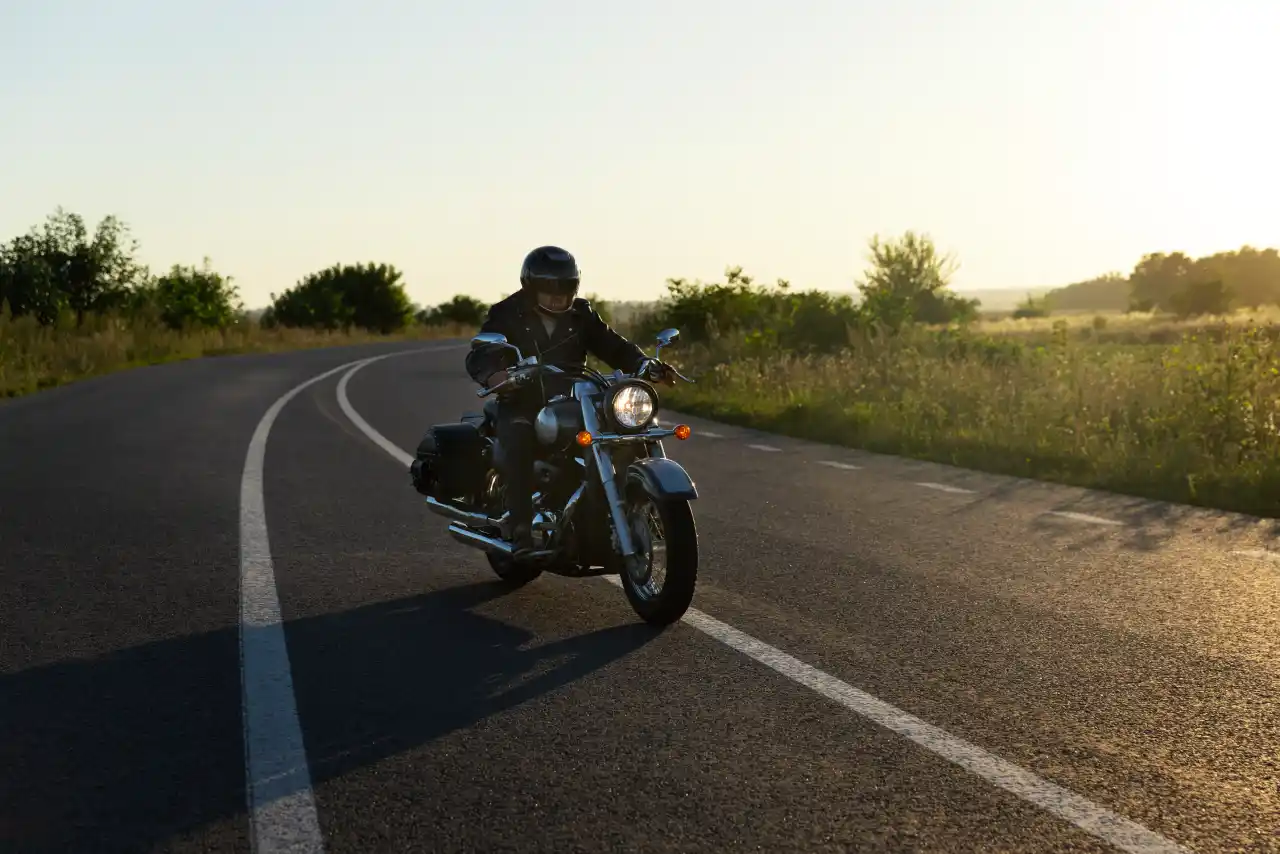
Combining the thrill of riding a motorcycle with the excitement of visiting a casino creates a unique adventure that many riders find appealing. The open road offers freedom and scenic views, while a casino stop adds entertainment and a chance to relax after hours of riding.
Planning a casino stop during a motorcycle trip requires thinking about route logistics, bike security, proper gear storage, and how long to stay at each destination. Riders need to consider where casinos are located along their route and whether these stops fit naturally into their travel plans. Finding the right balance between riding time and casino time helps make the trip enjoyable.
A well-planned casino stop can break up a long journey and give riders a comfortable place to rest. Motorcyclists face different challenges than car travelers when visiting casinos, from parking their bikes safely to storing helmets and riding gear. Understanding these details ahead of time makes the experience smoother and more enjoyable.
Planning the Perfect Casino Stop
A successful casino stop requires advance research of locations, understanding local gambling laws, securing convenient lodging, and setting clear financial limits. These preparations ensure riders can enjoy gaming without stress or unexpected complications.
Researching Casino Locations Along Your Route
Riders should identify casinos within reasonable distance of their planned route before departure. Most major highways in the United States pass within 50 miles of gaming establishments, particularly in Nevada, Oklahoma, and Mississippi.
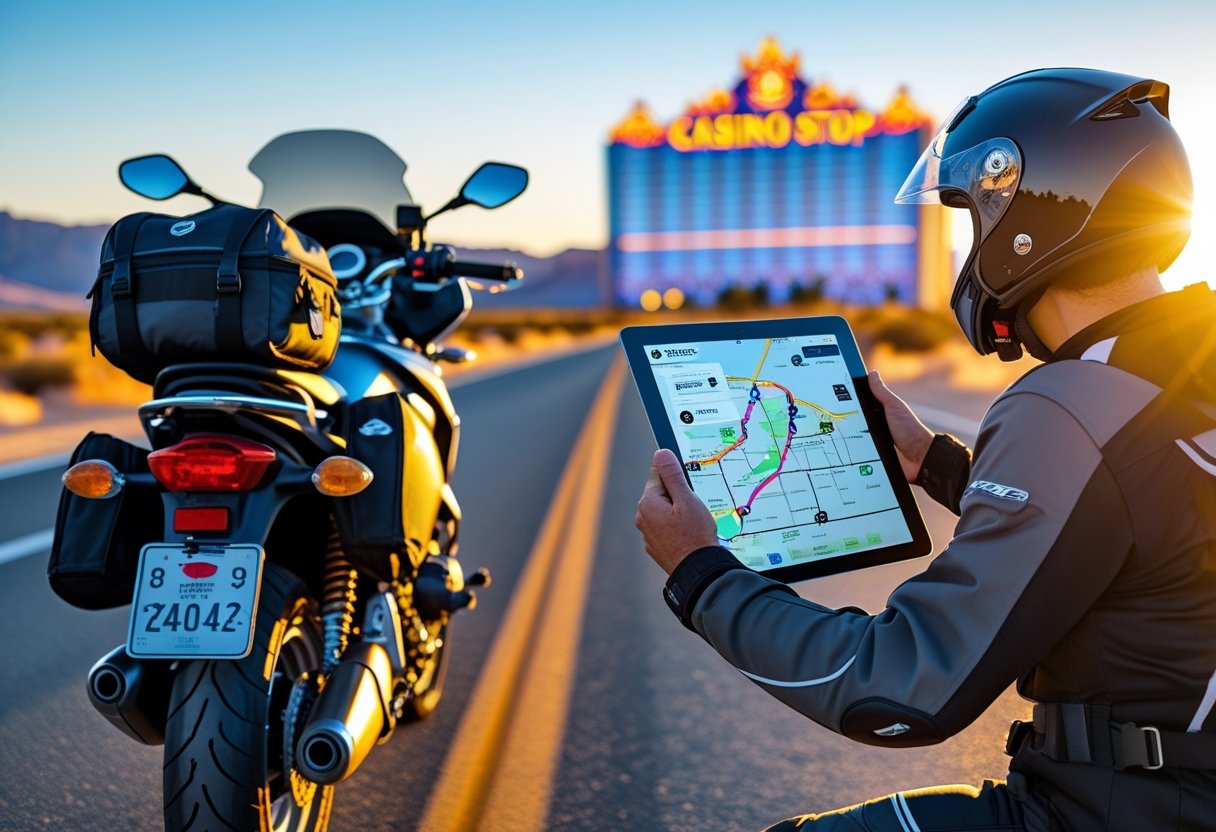
Online mapping tools help determine which casinos offer the best combination of location and amenities. Riders need to check operating hours, as some tribal casinos close midweek or maintain limited hours. Peak season affects wait times and crowd levels significantly.
Reviews from other travelers provide insight into parking security and motorcycle-friendly facilities. Some casinos offer dedicated motorcycle parking areas with security cameras. Others lack proper bike parking entirely.
Distance between fuel stops matters when planning casino visits. Riders should verify gas stations exist within 30 miles of remote casino locations, especially in desert regions.
Legal Requirements and Local Regulations
Each state maintains different gambling laws and age requirements. Most casinos require visitors to be 21 years old, though some tribal establishments allow entry at 18.
Riders must carry valid government-issued identification at all times. Casinos refuse entry without proper ID, regardless of apparent age. Some jurisdictions require ID scanning at entry points.
Key legal considerations:
- Photography restrictions inside gaming areas
- Alcohol consumption laws varying by state
- Smoking regulations in gaming floors
- Cell phone usage policies near table games
Certain states prohibit wearing motorcycle helmets or face coverings inside casinos for security reasons. Riders should store gear in saddlebags or designated areas before entering.
Choosing Accommodation Near Casinos
Many casinos operate attached hotels offering discounted rates for players. These properties provide convenient access to gaming floors and secure parking garages. Room rates typically drop during weekdays compared to weekend pricing.
Riders who prefer independent lodging should book accommodations within 5 miles of their chosen casino. This distance allows easy returns to the hotel without extended night riding. Chain hotels near casinos often cost less than casino properties while maintaining quality standards.
RV parks adjacent to casinos serve riders traveling with camping trailers. These facilities charge $30-60 per night and include hookups. Some casinos offer free overnight parking for self-contained RVs, though amenities remain limited.
Budgeting for Casino Visits
Experienced riders separate casino funds from trip expenses before arriving. This approach prevents overspending and protects money needed for fuel, food, and lodging.
A realistic casino budget accounts for entertainment value rather than expected winnings. Most visitors should plan to lose their entire gaming budget. Setting a $100-200 limit for casual play allows several hours of entertainment without financial stress.
Budget allocation example:
- Table games: 60% of budget
- Slot machines: 30% of budget
- Food and drinks: 10% of budget
Riders should leave credit cards and debit cards in hotel safes when possible. Carrying only predetermined cash amounts prevents impulsive ATM withdrawals during losing streaks. Casino ATMs charge fees ranging from $5-10 per transaction.
Motorbike Journey Preparation
A successful casino stop requires riders to pack smart, protect their gear, and build an itinerary that adapts to changing conditions on the road.
Packing Essentials for Motorbike Travelers
Riders need to pack light while bringing everything necessary for a multi-day trip. Essential riding gear includes a quality helmet, gloves, and a jacket with proper ventilation and weather protection. Extra layers work better than bulky clothing since temperature changes throughout the day.
A basic toolkit should include tire repair supplies, a portable air compressor, and common wrenches that fit the bike’s specifications. Most mechanical issues on the road involve simple fixes that riders can handle with the right tools.
Personal items should fit in waterproof bags or saddlebags. Riders should bring a change of clothes suitable for casino dress codes, toiletries, and any medications. A phone charger, portable battery pack, and physical maps serve as backup navigation when electronics fail.
Ensuring Security for Your Bike and Belongings
Casino parking lots present theft risks that require proper security measures. A disc lock combined with a chain lock provides two layers of protection. Riders should park in well-lit areas near security cameras or building entrances when possible.
Valuables should never stay on the bike overnight. Saddlebags and top cases need locks, but determined thieves can still access them. Hotels with secured parking or garages offer better protection than open lots.
GPS trackers hidden on the bike help locate it if stolen. Riders should photograph their bike’s VIN and document any custom parts for insurance purposes. Comprehensive insurance coverage matters more on long trips where bikes face increased exposure to theft and damage.
Creating a Flexible Itinerary
A solid itinerary includes planned stops without locking riders into rigid schedules. Routes should account for fuel range, rest breaks every two hours, and arrival at the casino with daylight remaining. Weather conditions may force route changes, so riders need backup roads identified before departure.
Casino stops work best when scheduled for arrival in late afternoon or early evening. This timing allows for riding during optimal daylight hours while leaving the evening free for casino activities. Riders should book accommodations in advance during peak seasons but maintain flexibility for spontaneous detours.
Daily mileage should stay between 200-300 miles to prevent fatigue. Longer distances require earlier starts and more frequent breaks.